Tuesday, September 24, 2019

Best osteoarthritis treatment hospital in Ernakulam


Osteoarthritis is a chronic disease. There is no cure, but we are the best osteoarthritis treatment hospital in Ernakulam available to manage symptoms. This Long-term management of the disease will include several factors:
  • Managing symptoms, such as pain, stiffness, and swelling
  • Improving joint mobility and flexibility
  • Maintaining a healthy weight
  • Getting enough exercise 
One of the most useful ways to manage OA is to get moving. While it may be hard to think of exercise when the joints hurt, moving is considered an important part of the treatment plan. We the best osteoarthritis treatment hospital in Ernakulam studied to show that simple activities like walking around the neighborhood or taking a fun, easy exercise class can reduce pain and help maintain (or attain) a healthy weight.
Strengthening exercises build muscles around OA-affected joints, easing the burden on those joints and reducing pain. Range-of-motion exercise helps maintain and improve joint flexibility and reduce stiffness. The best osteoarthritis treatment hospital in Ernakulam helps to improve your health and energy levels and also help to reduce excess weight. Our natural and alternative therapies help many people with Osteo Arthritis use natural or alternative therapies to address symptoms and improve their overall well-being. These include nutritional supplements, acupuncture or acupressure, massage, relaxation techniques, and hydrotherapy, among others.
Weight Management
Excess weight adds additional stress to weight-bearing joints, such as the hips, knees, feet, and back. Losing weight can help people with Osteo Arthritis reduce pain and limit further joint damage. The basic rule for losing weight is to eat fewer calories and increase physical activity.

Friday, September 20, 2019

Ayurveda Treatment in India


The growing interest in practicing Ayurvedic medicine as a moderate, secure option to using modern medicine drugs with consequent side effects continues to be prevented because claims about effectiveness and safety are not backed with evidence and clinical data. The focus of Ayurveda treatment in India practice and research should be on building bridges to this knowledge for public benefit. The Ayurvedic approach is entirely different, is time-taking and often heavy. Today, we are more focused on earning well, satisfying other people and in the bargain, we end up losing out on things that matter most – taking care of your mind, body, and spirit or telling the people around us how important they are to us. Ayurveda provides a more holistic approach and views on our daily, everyday lives.

Ayurveda hospitals in Kochi are focusing on some techniques which have always been an enormous popular knowledge in various treatments. Although today we know a lot about this ancient medical practice, there are some schools of thoughts that believe it to be an outmoded and magical practice. Ayurveda Treatment in India is basically the science of curing the abnormalities of the body by compelling a cordial balance and consistency between the body elements. The ancient scholars took the body to be composed of elements or tatvas. These were the same as the ones that constituted all other beings and objects on this planet, air, water, wind, fire, and Earth. Unlike the modern practices, Ayurveda classified seven elements in the body, the sapta dhatu and three energy fields namely, Vata, Pitta, and Kaph. These represent the five quintessential elements. For example, Vata is for wind, Pitta demarcates fire, water, and the last one, Kaph for water and earth. According to the principles of Ayurveda, a body remains in the normal working condition as long as these three humors are in a balanced form. There are elaborate descriptions as to what is the right proportion of these in the Vedas and the two Samhitas. Any discrepancy here is called a Dosh and is the root cause of all medical ailments right from the common cold to more complex ones like cancer. The science behind Ayurveda Treatment in India tells how to maintain a balance between the three and cure a disease accordingly. Unlike modern allopathic medicine, the things used to treat the person in Ayurveda are purely natural. Not only herbs, but the plant and animal parts like roots, buds, essential oils, cow urine, etc. all also find extensive use in this practice. It can be safely said that it was after studying the chemical properties in the plant and animal drugs that the synthetic drugs of today were formulated

Thursday, September 19, 2019

Best hospital for piles treatment in Kochi


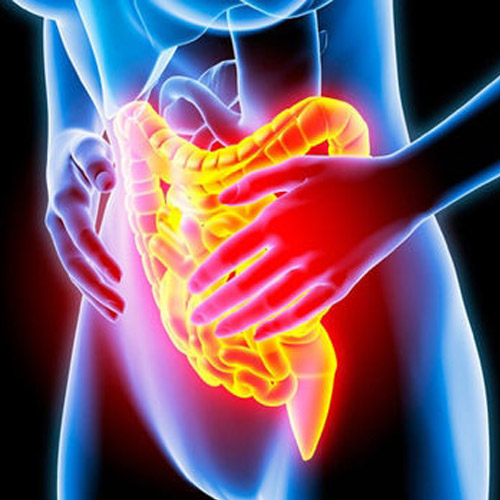
Piles are either dry or bleeding and often caused by chronic constipation, hard and knotty slots, intake of spices, wines, meats and also by poor or absent physical activity. Dry piles are more painful while bleeding piles render a person weaker. Pregnant ladies, elderly persons, sedentary persons who eat enormously and quite often but do no exercise, or the person taking above-mentioned dietary items, are more prone to piles. The persistent complaint may cause other complications also, such as fissures, cancerous growths, pain, swelling, smarting, etc. Ours is the Best hospital for piles treatment in Kochi

Types of Piles

Dry piles - In dry piles there is inflammation of the external piles, continuous pain and become unbearable while voiding the bowels.

Bleeding piles - In bleeding piles, the internal piles start bleeding and there may be excessive bleeding which leads to anemia and consequent emaciation.

Causes
A person suffers from piles when the anal region veins become varicose. The prime causes of piles are -
  • Constipation
  • Sedentary way of life
  • Lack of exercise
  • Some morbid conditions of the liver.
Ayurveda for Piles
Our Piles Ayurveda treatment in India aims to reduce constipation (the commonest predisposing factor for piles) and relieve pain associated with. Most of the time, treatment options for piles include certain lifestyle changes that you can take on your own such as changes in diet. Our Ayurveda hospital near Cochin airport will be very helpful for those who are seeking for piles treatment.
Ayurveda medicines for piles can also prove quite useful in reducing constipation. Some of the most common herbs and medicines for piles are asafoetida, fennel, and cumin. Ghee, buttermilk and green leafy vegetables in the diet can also reduce constipation

Wednesday, September 18, 2019

Stroke/paralysis in Ayurveda


Stroke/paralysis is the inability of a muscle or group of muscles to move voluntarily. The brain sends messages that trigger muscles to move. But when stroke damages part of the brain, messaging between the brain and muscles may not work properly.

Cause
Paralysis is usually on the side of the body opposite the side of the brain damaged by stroke. For instance, a stroke in the brain’s left hemisphere will affect the right side of the body. Locked-in syndrome is an example of severe paralysis in which you can only move muscles that control the eyes.
Paralysis can be successfully treated in Ayurveda with the combination of internal medicine and external treatments. Treatment usually varies with the patient's condition.

It depends upon certain factors as mentioned below.

Treatment possibility is maximum if treated in the initial stages. As time passes, the treatment possibility goes on decreasing. So it is very necessary to bring the patient to an Ayurvedic hospital at the right time

Treatment depends upon the type of body of the patient. Some person’s body reacts very quickly to the medication and some very slowly. So the treatment possibility depends on each and every individual’s body.

This is sad but true that there are many fake doctors who practice medicine without sufficient knowledge or they don't have any degree or certification. People should be aware of this and should visit a genuine and trusted doctor.

Monday, September 2, 2019

Cervical Spondylosis


Cervical spondylosis is also called cervical osteoarthritis. It is a condition involving changes to the bones, discs, and joints of the neck. These changes are caused by the normal wear-and-tear of aging. With age, the discs of the cervical spine gradually break down, lose fluid, and become stiffer. Cervical spondylosis usually occurs in middle-aged and elderly people.
As a result of the degeneration of discs and other cartilage, spurs or abnormal growths called osteophytes may form on the bones in the neck. These abnormal growths can cause narrowing of the interior of the spinal column or in the openings where spinal nerves exit, a related condition called cervical spinal stenosis.

The symptoms of cervical spondylosis include:
  • Neck stiffness and pain
  • Headache that may originate in the neck
  • Pain in the shoulder or arms
  • Inability to fully turn the head or bend the neck, sometimes interfering with driving
  • Grinding noise or sensation when the neck is turned
Factors other than aging can increase your risk of cervical spondylosis. These include:
  • neck injuries
  • work-related activities that put extra strain on your neck from heavy lifting
  • holding your neck in an uncomfortable position for prolonged periods of time or repeating the same neck movements throughout the day (repetitive stress)
  • genetic factors (family history of cervical spondylosis)
  • smoking
  • being overweight and inactive
Treatment in Ayurveda

Ayurveda Treatment for Spondylosis help relieve the symptoms like pain, stiffness, loss of strength and numbness associated with even the complications like Sciatica and Spondylolisthesis. The medicines, which act as measures at Spondylosis care, help prevent further deterioration and impede the chances of recurrence. In our Spondylosis care, we assuage the need for surgery and improve quality of life. Time-tested, safe and effective, treatment is natural and holistic.

Friday, August 23, 2019

Slipped Disc


A slipped disc arises when the outer ring grows into a weak or torn and allows the inner portion to slip out. This can happen with age. Certain motions may also cause a slipped disc. A disc can slip out of place while you are twisting or turning to lift an object. Lifting a very large, heavy object can place great strain on the lower back, resulting in a slipped disc. If you have a very physically demanding job that requires a lot of lifting, you may be at increased risk for slipped discs.
Overweight individuals are also at increased risk for a slipped disc because their discs must support the additional weight. Weak muscles and a sedentary lifestyle may also contribute to the development of a slipped disc. As you get older, you are more likely to experience a slipped disc. This is because your discs begin to lose some of their protective water content as you age. As a result, they can slip more easily out of place. They are more common in men than in women.
Symptoms of a slipped disc include:
  • pain and numbness, most commonly on one side of the body
  • pain that extends to your arms or legs
  • pain that worsens at night or with certain movements
  • pain that worsens after standing or sitting
  • pain when walking short distances
  • unexplained muscle weakness
  • tingling, aching, or burning sensations in the affected area
Treatment in AyurvedaAyurveda offers a very tangible alternative that works in almost any case of a prolapsed or slipped disc. Ayurvedic medications comprising of herbal decoctions, tablets, capsules, and oils for external application are very effective in providing relief in patients with mild to moderate problems. Persons with chronic problems and those with the severe intensity of symptoms would require Ayurvedic therapies like Abhyanga (Medicated Oil applications and massages), Swedana (Sudation therapy), Shodana therapies (detoxification) using Vasthi in the case of back pain related problems and Nasyam in the case of neck related problems. These therapies are used to heal the nerves affected by the herniated disc and to relieve the muscular spasm as well.
The best part is that you can treat a slipped disc without surgery. In four to six weeks, the majority of patients find their symptoms are relieved, without surgery. If the patient can come for the treatment in the early stages, even total cure without recurrence is also possible.

More info: https://www.drhassanayurveda.com/speciality.html

Thursday, August 8, 2019

Ayurvedic Medicine for Osteoarthritis


Osteoarthritis is the most common form of arthritis and results in pain and reduced quality of life. The main objective of Ayurvedic treatment for Arthritis is to reduce joint Pain, Swelling, and Inflammation and improve metabolism disturbances. Swelling, Edema, and Inflammation. Although a structure-modifying treatment remains the greatest unmet need in osteoarthritis, several Ayurvedic treatments are available according to the wavelength. 

Arthritis develops following inflammation of joints or breakdown of the cartilage cushion present between two bones. Ayurvedic treatment of Arthritis includes correction of digestion and metabolism, immuno-modulation, treatment for Joint Pain with certain Ayurvedic treatments and Ayurvedic medicines. Ayurvedic treatments are always customized based on a person’s lifestyle and health status